
Laparoscopic Uterus Removal Surgery in Baner, Pune
Your gynecologist suggests uterus removal surgery? and looking for the best laparoscopic surgeon in Baner Pune for Uterus removal surgery? Then you’re at the right place. Dr. Kunaal Shinde is one of the best gyneac laparoscopic surgeons and robotic oncosurgeon in Pune which provides all types of laparoscopic surgery in Pune. Uterus removal surgery also known as Hysterectomy, is a surgical procedure to remove the uterus. It is a common major surgery, but it can be a life-changing procedure for many women.
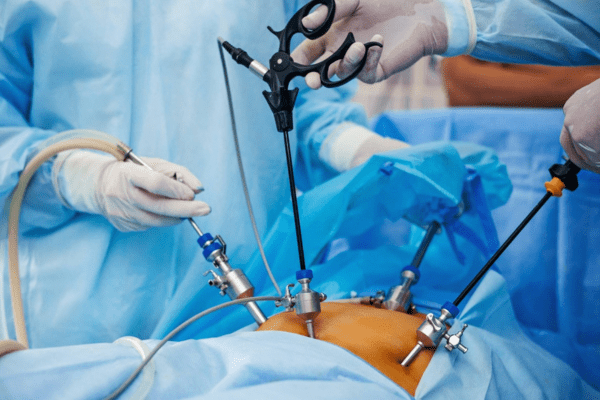
A woman may need to have her uterus removed for reasons such as endometriosis, heavy menstrual bleeding, fibroids, pelvic pain, and cancer. Dr. Kunaal Shinde is a well-known and experienced gynecologist and laparoscopic surgeon in Baner, Pune. He specializes in uterus removal surgery (laparoscopic hysterectomy) and has performed more than 1,000 successful hysterectomies. He is also experienced in treating a wide range of gynecological conditions, including fibroids, endometriosis, and ovarian cysts. He is a Fellow of the Royal College of Obstetricians and Gynaecologists (UK) and is a member of the Indian Society of Gynecologic Oncology. He takes the time to understand your individual needs and will work with you to ensure that you have the best possible outcome from your surgery.
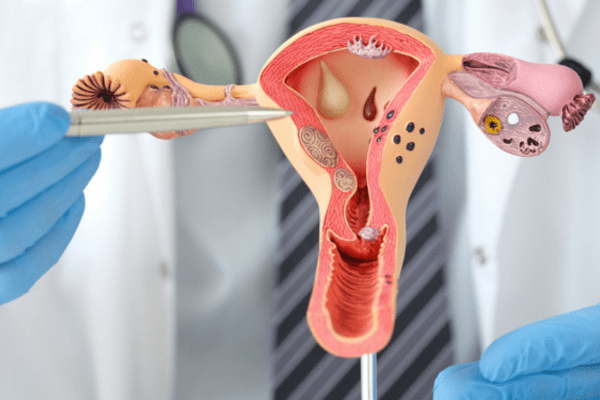
Laparoscopic Myomectomy is a surgical procedure that involves the removal of uterine fibroids using minimally invasive techniques. Here’s everything you need to know about Lap Myomectomy, including why it’s done, how it’s performed, and its advantages and potential complications.
What is Lap Myomectomy?
Lap Myomectomy is a surgical procedure used to remove uterine fibroids, which are non-cancerous growths that develop in the uterus. Unlike traditional open surgery, Lap Myomectomy is performed using minimally invasive techniques, such as laparoscopy or robotic-assisted surgery.
Why is Lap Myomectomy done?
Lap Myomectomy is typically recommended for women who experience the following symptoms due to uterine fibroids:
- Heavy or prolonged menstrual periods
- Pelvic pain or pressure
- Frequent urination
- Constipation
- Backache
- Infertility
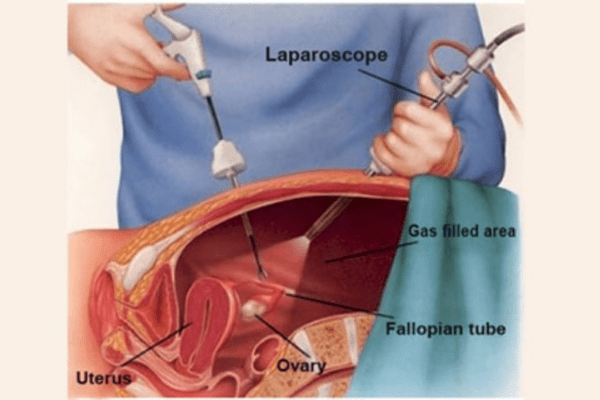
Lap Tubal Recanalisation: A Minimally Invasive Procedure to Restore Fertility
Lap Tubal Recanalisation is a laparoscopic procedure used to reverse the effects of tubal ligation and restore fertility. This procedure involves creating a small opening in the blocked or tied fallopian tubes to allow eggs to move freely from the ovaries to the uterus.
Why is it Done?
Lap Tubal Recanalisation is performed to help women who have undergone tubal ligation and now wish to conceive. It is a preferred option for women who do not want to undergo in vitro fertilization (IVF) or have been unsuccessful with IVF in the past.
How is it Done?
The procedure is done under general anesthesia, and small incisions are made in the abdomen. The surgeon inserts a laparoscope, a thin and lighted tube with a camera, through one of the incisions to visualize the pelvic organs. The surgeon then makes small openings in the blocked or tied fallopian tubes using microsurgical instruments to restore their patency.

What is Lap Sling Surgery?
Laparoscopic sling surgery for pectopexy is a minimally invasive surgical procedure used to treat pelvic organ prolapse. Pelvic organ prolapse occurs when the pelvic organs, such as the bladder, uterus, or rectum, slip out of place and protrude into the vaginal wall. This condition can cause discomfort, urinary or bowel problems, and sexual dysfunction.
The laparoscopic sling surgery for pectopexy involves the use of a small camera and instruments inserted through small incisions in the abdomen. A mesh sling is placed underneath the prolapsed organ(s) to provide support and hold them in place. The mesh is then secured to the abdominal wall, providing a long-lasting and effective treatment for pelvic organ prolapse. The laparoscopic sling surgery for pectopexy is a safe and effective procedure, but as with any surgery, it does carry some risks. Possible complications include bleeding, infection, mesh erosion, and bladder or bowel injury. Your surgeon will discuss the risks and benefits of the procedure with you and help you decide if it is the best option for you.
How is Lap Sling Surgery Done?
ncisions, allowing the surgeon to visualize the pelvic organs and surrounding tissues on a video monitor. Next, a mesh sling is inserted through one of the incisions and placed under the prolapsed organ(s) to provide support and hold them in place. The mesh sling is then secured to the abdominal wall, typically with sutures or staples. The surgery may involve placing multiple mesh slings, depending on the extent of the pelvic organ prolapse. Once the mesh sling is securely in place, the laparoscope and instruments are removed, and the incisions are closed with sutures or surgical glue. The entire procedure usually takes 1-2 hours to complete, and the patient can usually go home the same day or the following day.
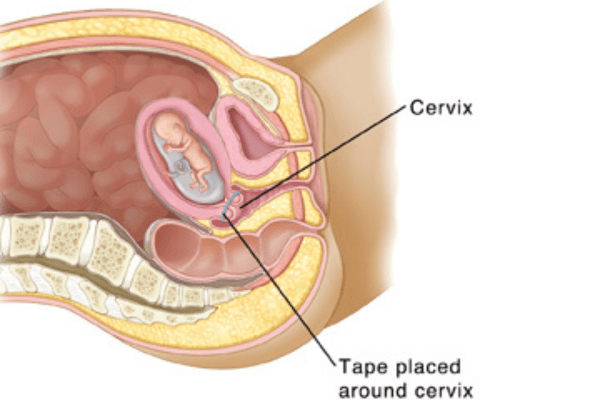
What is Lap Cerclage?
Laparoscopic cerclage (or lap cerclage) is a minimally invasive surgical procedure that involves placing a suture (stitch) around the cervix to keep it closed during pregnancy. This procedure is usually done for women with a history of cervical insufficiency or a weak cervix that can lead to premature birth or miscarriage.
Why is Lap Cerclage done?
Laparoscopic cerclage is done to prevent preterm labor and miscarriage in women with cervical insufficiency or a weak cervix. It is usually recommended for women who have previously had a failed transvaginal cerclage, or whose cervix is too short for a transvaginal cerclage to be effective.
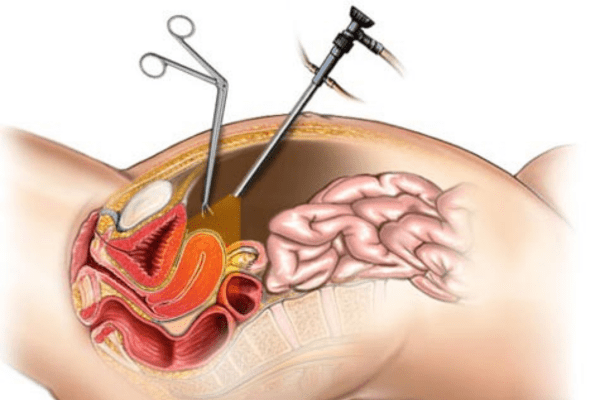
What is Lap Surgery for Uterine Anomalies?
Laparoscopic surgery for uterine anomalies is a minimally invasive surgical procedure performed to correct structural abnormalities in the uterus that may lead to infertility, recurrent pregnancy loss, or menstrual problems.
Why is Lap Surgery for Uterine Anomalies done?
This procedure is performed to correct structural defects in the uterus that can interfere with fertility, cause recurrent pregnancy loss, or cause menstrual problems. These defects may include uterine fibroids, uterine septum, bicornuate uterus, and other structural abnormalities.
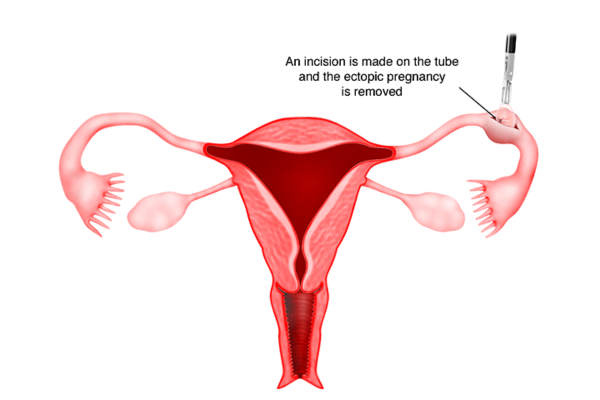
Laparoscopic surgery for ectopic pregnancy is a minimally invasive surgical procedure to remove a pregnancy that develops outside the uterus, usually in the fallopian tube. The procedure is commonly referred to as lap ectopic pregnancy surgery.
Why is Lap Surgery for Ectopic Pregnancy done?
Lap ectopic pregnancy surgery is done to remove the ectopic pregnancy and save the fallopian tube. In some cases, the fallopian tube may have ruptured, causing internal bleeding, and the surgery becomes necessary to prevent severe complications. If left untreated, ectopic pregnancy can lead to life-threatening hemorrhage and loss of the affected tube.
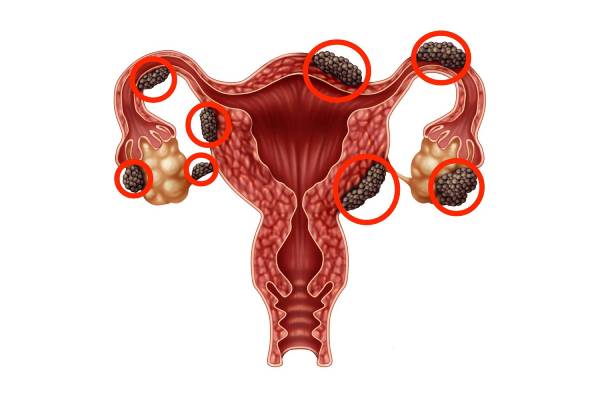
Endometriosis is a painful condition in which the tissue that normally lines the inside of the uterus (endometrium) grows outside the uterus, leading to scarring, adhesions, and pain. Laparoscopic surgery is one of the treatment options for endometriosis, which involves the removal of endometrial tissue and adhesions.
What is Lap Surgery for Endometrisis?
Laparoscopic surgery for endometriosis involves making small incisions in the abdomen and inserting a laparoscope, a thin instrument with a camera, to visualize the endometrial tissue and adhesions. The surgeon can then remove the tissue and adhesions using specialized instruments.
Why is Lap Surgery for Endometrisis done?
Laparoscopic surgery for endometriosis is done to relieve pain and improve fertility in women with moderate to severe endometriosis. The procedure can remove endometrial tissue and adhesions, improve pelvic pain and discomfort, and improve fertility by restoring normal anatomy and function of the reproductive organs.
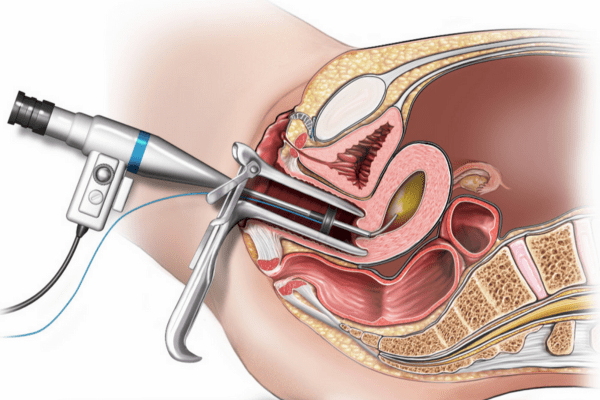
Diagnostic Hystero Laparoscopy is a surgical procedure that helps to evaluate the inside of the uterus and pelvis to diagnose any underlying medical condition that might be causing infertility or chronic pelvic pain. The procedure combines the use of two methods, hysteroscopy and laparoscopy, to provide a comprehensive assessment of the female reproductive organs.
Why is Diagnostic Hystero Laparoscopy Done?
Diagnostic Hystero Laparoscopy is done to investigate the cause of chronic pelvic pain or infertility in women. Some common indications for the procedure include:
- Infertility
- Recurrent pregnancy loss
- Chronic pelvic pain
- Abnormal uterine bleeding
- Endometriosis
- Adhesions or scar tissues in the pelvic region
- Ovarian cysts or tumors
How is Diagnostic Hystero Laparoscopy Performed?
The procedure is performed under general anesthesia, and a small incision is made below the navel to insert a laparoscope, which is a thin, lighted telescope-like instrument. Carbon dioxide gas is introduced to inflate the abdomen, which helps to provide a clear view of the reproductive organs. Another small incision is made near the pubic hairline to insert the hysteroscope, which is used to view the inside of the uterus. The procedure may take 30-60 minutes to complete, depending on the complexity of the case.